



If you are a professional, a family, or an entrepreneur considering a new chapter in Europe, moving to slovenia from us is a decision that opens the door to unparalleled safety, stunning natural beauty, and a robust economy. The process of moving to slovenia, however, requires careful planning, an understanding of the legal rules, and precise attention to visa requirements.
This comprehensive guide will walk you through every step of immigration to this beautiful country. We will cover everything from obtaining your first visa to securing a permanent residence permit, enrolling in higher education, and even understanding the nuances of slovenian history.
Why Choose the Republic of Slovenia?
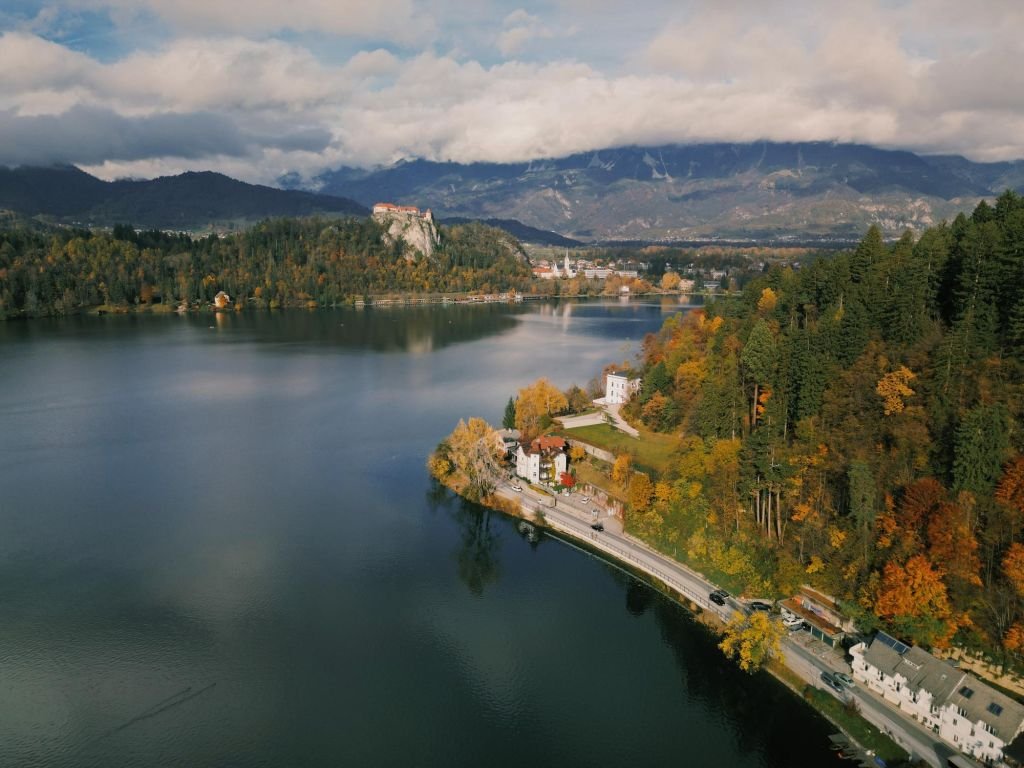
Slovenia is a gem nestled in the heart of Europe. Bordering Italy, Austria, Hungary, and Croatia, the country offers a unique blend of Alpine, Mediterranean, and Pannonian cultures. The quality of life here is consistently ranked among the best in the world. For us citizens, the country provides a safe environment, excellent healthcare, and a strategic location for business access across the european union.
Whether you are settling in the vibrant capital of Ljubljana or a quieter region, the quality of life is evident in the clean air, low crime rates, and community-focused lifestyle. Furthermore, the country boasts a strong economy, making it an attractive hub for foreigners looking to invest money or find long term employment.
Understanding the Basics: Visa Requirements for US Citizens
Before packing your bags, it is crucial to understand the visa requirements and how they apply to us citizens. As of 2026, the rules for entering the schengen area have evolved with the implementation of the ETIAS system.
For short tourist visits (up to 90 days within a 180-day period), us citizens do not need a traditional visa. However, you must apply for an ETIAS travel authorization before your flight. You must also hold a valid passport that remains valid for at least three months beyond your intended date of departure from the schengen area.
If your plan involves moving to slovenia for more than 90 days, the rules shift entirely. You cannot simply stay on a tourist waiver. You will need a specific visa and, subsequently, a residence permit to legally reside in the country.
The Type D Visa: Your Entry Ticket
For a long term stay, the first step in the procedure for many foreigners is obtaining a Type D visa (a national visa). This visa allows you to enter the country legally with the explicit purpose of obtaining a residence permit.
To apply for a D visa, you must present your application to a Slovenian embassy or consulate in the US. You will need to prepare several documents, including:
- A valid passport.
- Proof of health insurance.
- Evidence of sufficient financial means (income or savings).
- Documentation justifying the grounds of your stay (e.g., a job offer, university acceptance, or business registration).
The Foundation: Securing a Temporary Residence Permit
Once you have your D visa, or if you are applying directly through an embassy before your arrival, your main goal is obtaining a temporary residence permit. A temporary residence permit is the foundational document that grants you the legal status to live in the republic.
The conditions for obtaining this residence permit vary depending on your purpose. Common grounds for a temporary residence permit include employment, study, family reunification, or business.
Processing and Registration
After your temporary residence permit is approved, you must register your residential address at the local administrative unit (Upravna enota) within eight days of arriving in the country. This registration is mandatory for all foreigners and eu citizens alike.
You must respect the local laws and ensure your residence permit is renewed before it expires. The authorities are strict regarding continuous legal residence.
Relocating for Business and Employment
For professionals and entrepreneurs, immigration based on work or business is a common pathway.
Employment and the Single Work and Residence Permit
If you have a job offer from a local employer, you will need a single work and residence permit. This single document grants you both the right to live and the right to work in the country. Your employer often initiates this procedure by demonstrating that no suitable eu citizens were available for the job. Once approved, you gain access to the local labor market.
For highly skilled workers, the EU Blue Card is an excellent option. This special residence permit is granted to individuals with a higher education degree and a binding job offer with a salary that meets a specific minimum threshold. The EU Blue Card facilitates easier mobility within the european union after a certain period.
Business Immigration
If you plan to start a business, the republic offers a pathway to residency through company formation. You must register a company (usually an LLC) and demonstrate active business operations. You must invest a minimum amount of money into the company’s fixed assets (at least €50,000) or demonstrate a high monthly turnover.
MyGlobal.si provides expert services to help foreigners navigate company registration, ensuring all documents meet the strict standards set by the authorities.
Higher Education and Student Visas
Slovenia is home to several esteemed institutions, including the University of Ljubljana. The quality of higher education attracts students from all over the world.
If you are an international student accepted into a university, you must apply for a temporary residence permit for study purposes. You will need to present your university acceptance letter, proof of health insurance, and evidence of sufficient income to support yourself during your courses.
Many students choose to take slovenian language courses alongside their university studies to better integrate into the local culture. After completing their education, students have options to transition their status to seek employment in the country.
Family Reunification: Bringing Your Loved Ones
We understand that moving to slovenia is often a family decision. The family reunification procedure allows you to bring your spouse and minor children to live with you.
To sponsor your family members, you generally must hold a valid residence permit yourself and demonstrate that you have sufficient income to support your families without relying on social assistance. You must also secure adequate housing and health insurance for all family members.
There is an exception to the waiting period for highly skilled workers holding an EU Blue Card, who can bring their families immediately. For others, the timing may vary depending on the specific grounds of your residence permit.
Transitioning to a Permanent Residence Permit
After holding a temporary residence permit for five continuous years, foreigners become eligible to apply for a permanent residence permit.
Obtaining permanent residence is a major milestone. A permanent residence permit offers greater stability, allowing you to live in the country indefinitely without the need for constant renewals. It places you on a status much closer to that of slovenian citizens.
To be granted permanent residency, you must prove:
- Five years of continuous legal residence.
- A clean criminal record.
- Stable and regular income.
- Comprehensive health insurance.
Permanent residents enjoy expanded rights in the labor market and greater security for their long term life plans in europe.
The Path to Slovenian Citizenship
For those who wish to fully integrate, obtaining slovenian citizenship is the ultimate goal. Citizenship grants you a passport, the right to vote, and the full rights of eu citizens.
Generally, you can apply for citizenship after ten years of continuous residence in the republic (with a continuous permanent residence permit for the latter part of that period).
The naturalization process requires a deep respect for the country. You must pass an exam demonstrating your proficiency in the slovenian language. Additionally, you may be tested on your knowledge of slovenian history, culture, and constitutional rules. Understanding slovenian history helps foreigners appreciate the resilience and rich heritage of the region.
Taking structured courses in the slovenian language is highly recommended, as the language is known for its complex grammar, including the rare dual form.
International Protection and Refugee Status
While most us citizens move for business or lifestyle reasons, it is important to acknowledge the country’s humanitarian framework. The republic provides international protection to persons fleeing persecution.
Refugee status is granted to persons who have a well-founded fear of persecution in their home country. The authorities evaluate each case strictly based on international law. When refugee status is granted, these persons receive a specific type of residence permit that ensures their safety and access to fundamental services.
Persons granted refugee status are provided with integration support, including free slovenian language courses, assistance with finding housing, and guidance on entering the labor market. A person with refugee status has the right to live and work in the country, and their families may also be eligible for protection. While refugee status is a different legal pathway than standard immigration, the country treats all persons granted this status with respect and dignity, ensuring they have the tools to rebuild their life.
Preparing Your Documents and Finances
The success of your immigration procedure relies heavily on how well you prepare your documents. The authorities require meticulous paperwork.
When you prepare your application, ensure you have:
- A valid passport (validity extending well beyond your planned stay).
- Certified criminal record checks from the US.
- Proof of health insurance coverage.
- Evidence of your income or financial stability.
- Translated and apostilled documents (such as marriage certificates for families or university degrees).
Financial requirements vary depending on your status, but you must consistently prove you meet the minimum income thresholds set by the government. Whether you are buying property or renting an apartment in Ljubljana, having a solid financial plan is essential.
Daily Life and Integration in Ljubljana and Beyond
Living in Slovenia offers a remarkable balance. Ljubljana, the capital, is vibrant, green, and highly walkable. It serves as the economic and cultural heart of the region. However, other areas like Maribor or the coastal towns offer their own unique charm and a slightly lower cost of living.
The quality of life is enhanced by the country’s commitment to nature, sustainability, and community. While english is widely spoken, especially among the youth and in business circles, dedicating time to learn the slovenian language will dramatically improve your experience and show respect for the local culture.
Purchasing property is an option for us citizens, though it involves specific legal steps. Many expats choose to rent initially while they learn about the different neighborhoods and find the perfect long term home.
Conclusion & Next Steps
Moving to slovenia from us is a complex but incredibly rewarding journey. From navigating visa requirements and securing a valid passport to understanding the criteria for a permanent residence permit, the process demands diligence.
The republic offers an exceptional quality of life, a safe environment for children, and excellent opportunities for business and education. Whether your goal is temporary work, higher education at a top university, or seeking permanent residence and eventually citizenship, the rules are designed to integrate foreigners who respect the country and contribute to its society.
At MyGlobal.si, we specialize in simplifying this process. We provide expert services to help you secure your residence, manage company formation, and ensure your immigration plan is flawless.
Would you like me to connect you with our legal team to review your specific situation and begin drafting your personalized relocation plan?